
Are Sustainability Initiatives Actually Sustainable for Supply Chains?
In the long run, sustainability shields companies from risks while fueling growth, creating systems that thrive amid rising costs and regulations.

In the long run, sustainability shields companies from risks while fueling growth, creating systems that thrive amid rising costs and regulations.
Scope 3 emissions represent the majority of industrial carbon footprints worldwide. It spans suppliers, service providers, distributors, customers, and more, making it the largest and most complicated emission source. By identifying and limiting these emissions companies embrace supply chain decarbonization and reap significant economic, social, and environmental rewards.
The 2025 monsoon was brutally unpredictable with sudden floods, flash landslides, and extreme rainfall battered millions across India, submerging hundreds of thousands of acres of farmland and displacing communities. Satellite evidence even suggests monsoon winds may have crossed the Himalayas into Tibet, a worrying sign of a shifting system under climate stress.
California has just turned up the heat on corporate climate accountability. With SB 253 (requiring large companies to disclose their greenhouse gas emissions) and SB 261 (mandating disclosure of climate-related financial risks), on paper, the spotlight is squarely on big corporations.
But here’s the catch: even though these laws are aimed at enterprises with billions in revenue, small and mid-sized businesses won’t be spared.
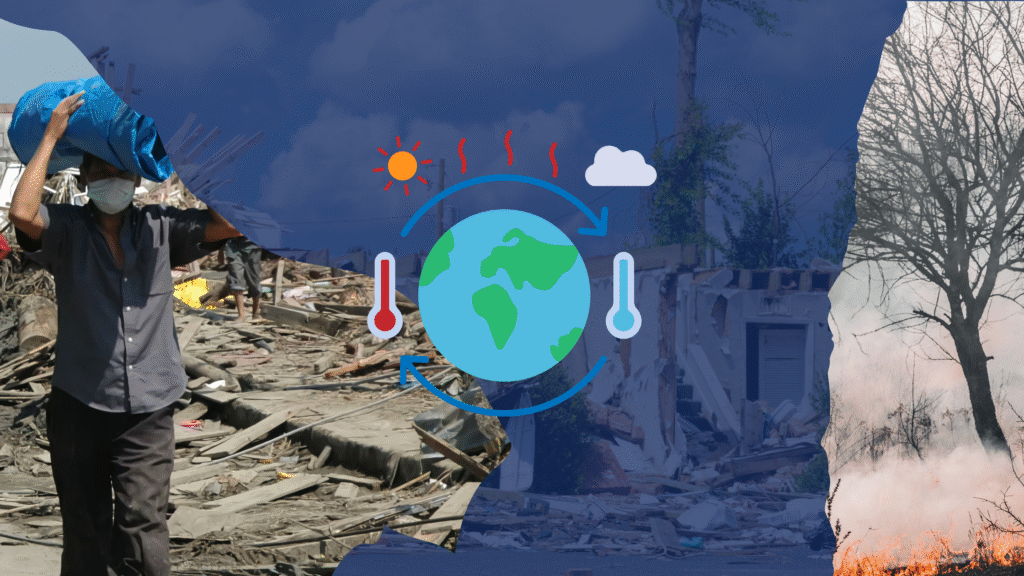
Climate-driven extreme heat is already reshaping how businesses operate. Studies show that fixed asset losses could cut average company earnings by 6.6–7.3% by 2035. For companies already working with tight margins, that kind of hit can be devastating.
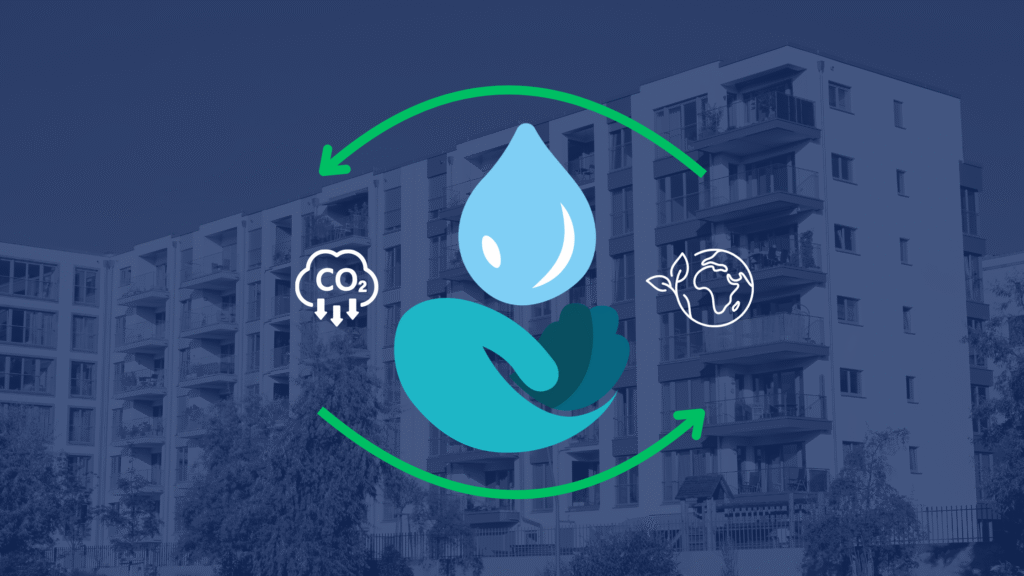
Most of us don’t link water usage to carbon emissions. But the amount of avoidable excess water used in an average apartment complex is equal to the CO₂ released by released by a car driving 418,000 kilometers!
Here’s where it gets real: in one apartment community, simply fixing water leaks can save over 87,000 litres per day. That translates to saving over 50 metric tons of CO₂ annually.